All is dew
1.
This artistic research project positions itself in continuity with my earlier artistic work in which both ephemerality and epistemology were central. Within this practice, water consistently functioned as both a material and conceptual medium. Changes of state were not approached merely as physical transitions, but as processes through which transformation unfolds and meaning is produced.
From this practice emerged an interest in the proto-scientific tradition of alchemy as a conceptual framework in which material transmutation is inextricably linked to natural-philosophical reflection. For me, alchemy does not operate as a historical reference, but rather as a practice-oriented space of thought in which experiment, imagination, and symbolism converge.
The present research constitutes an explicit continuation and deepening of this thematic trajectory, in which water is no longer approached in general terms but is instead focused on one specific, ephemeral manifestation: dew.
2.
The research departs from a historical conviction present within the Western alchemical tradition that dew is a privileged carrier of universal life energy and an essential component of transformative processes aimed at producing the Philosopher’s Stone. A particular role was attributed to dew collected via Alchemilla Mollis (Lady’s Mantle), a plant historically known for its exceptional relationship to dew and accorded a special status in alchemical and herbal sources.
From this context, the research formulates the question to what extent contemporary Western science and technology can be mobilized to investigate the transformative properties attributed to dew—specifically in relation to health and wealth.
The aim of the research is not to anachronistically verify or refute these claims, but to explore the tensions and resonances between historical modes of knowledge, contemporary scientific paradigms, and artistic research. The project operates between material-empirical exploration and critical reflection on the conditions under which knowledge claims emerge, circulate, and come to be recognized as legitimate.
3.
Methodologically, the long-term artistic trajectory adopts a hybrid research design in which literature study, scientific collaboration, embodied experimentation, and relational practices alternate. Alchemical, philosophical, and botanical sources are read in dialogue with contemporary insights from physics, plant physiology, and imaging technologies. These theoretical layers are complemented by collaborations with scientific researchers and institutions specializing in dew formation, plant structures, and sensor technologies.
In parallel with this theoretical layer, a concrete interaction was developed with a single Alchemilla plant, which gradually ceased to function merely as an object of research and instead assumed an active role within the trajectory. Through nocturnal observations, microscopic imaging, CT scans, ultrasonic sound recordings, and performative experiments (such as the sharing of atmospheres and rhythms), the research investigated how knowledge emerges through proximity, attention, and duration. Technology functioned not only as a neutral measuring instrument, but as a mediator of interspecies relations.
4.
Over time, the focus shifted from dew as an atmospheric phenomenon to the plant as an actively acting organism.
A crucial turning point was the distinction between dew and guttation: whereas dew is an atmospheric phenomenon, Alchemilla itself was found to actively secrete water. This insight transformed the plant’s position from a passive surface into an active agent. Consequently, the plant could no longer be regarded merely as an object of research, but emerged as a co-actor within the research process. At the same time, the encounter with contemporary technoscience and its capitalist logic prompted a critical reflection on efficiency, extraction, and the ownership of knowledge. The research began to position itself explicitly within a practice of slowness, care, and responsiveness.
5.
The research did not result in a singular scientific answer to the original question, but rather in a layered artistic insight: dew functions less as a measurable wonder substance than as a conceptual and material nexus in which history, mythology, science, technology, and affect converge.
More significant than confirming or refuting alchemical promises was the articulation of alternative forms of knowing, in which attention, proximity, relationality, embodied experience, and interspecies relations take center stage. The project thus makes a critical contribution to contemporary discussions on the production of knowledge about matter, artistic research, slow science, and posthumanism. It can therefore be understood as a form of epistemological transmutation, positioning art as a space in which non-instrumental relationships to knowledge and more-than-human life can be explored and articulated.
Taking a shower with the Alchemilla plant.
Fragments of the road trip AL and I did to its roots in the Carpathian Mountains, Transylvania.
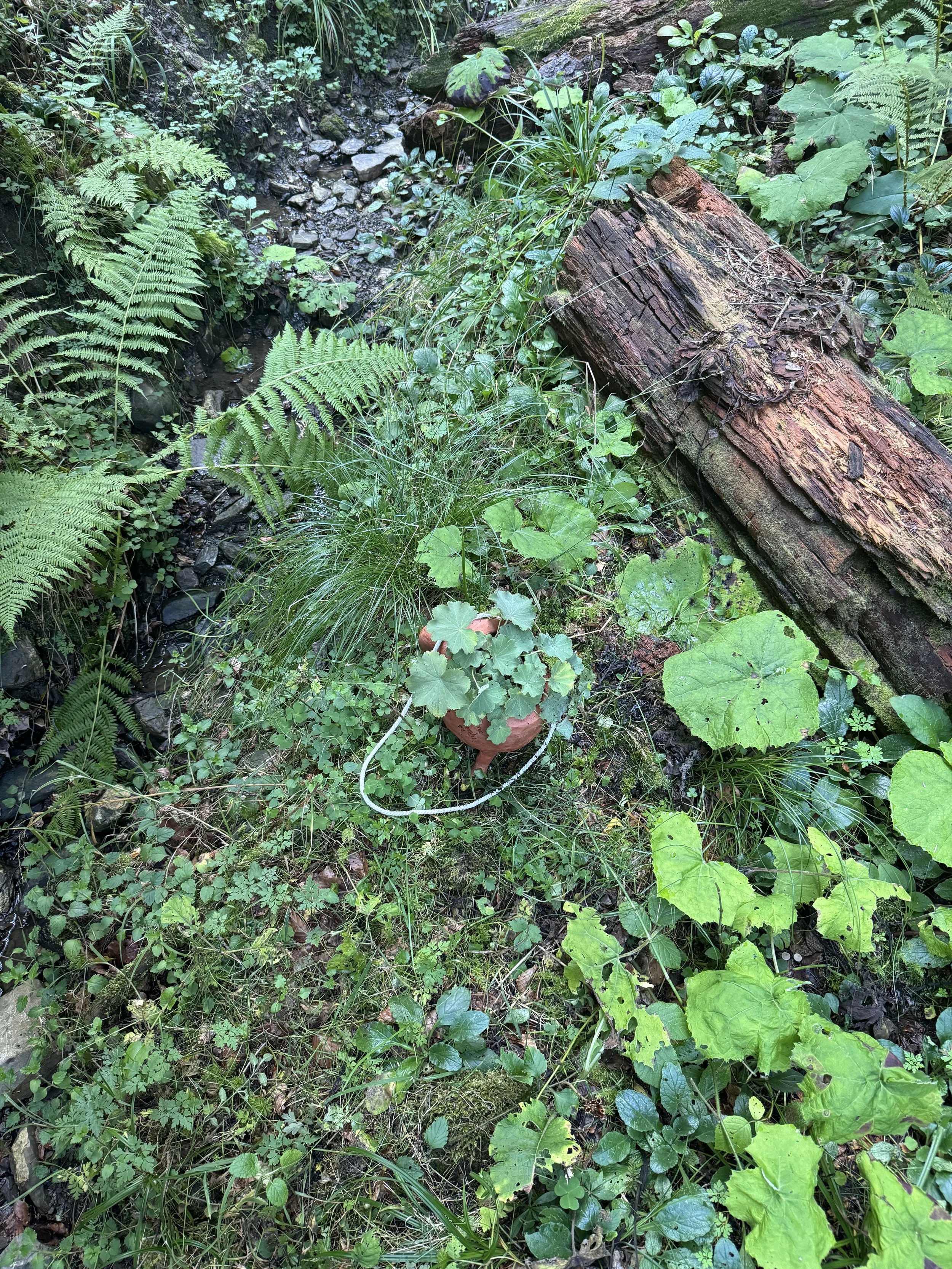
AL 45.4809074402 N 25.8983211517 E
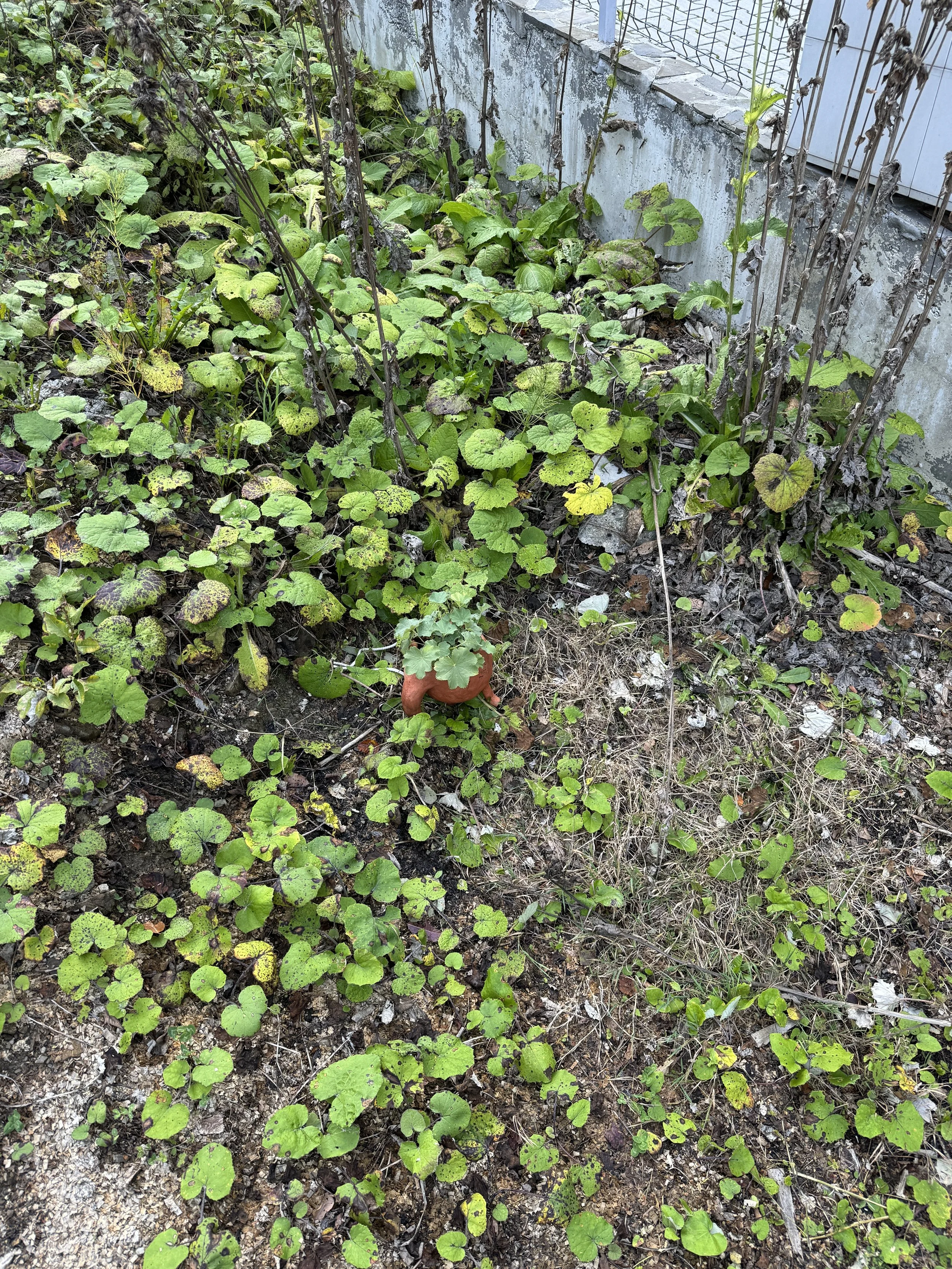
AL 45.5777445 N 25.6357275833 E
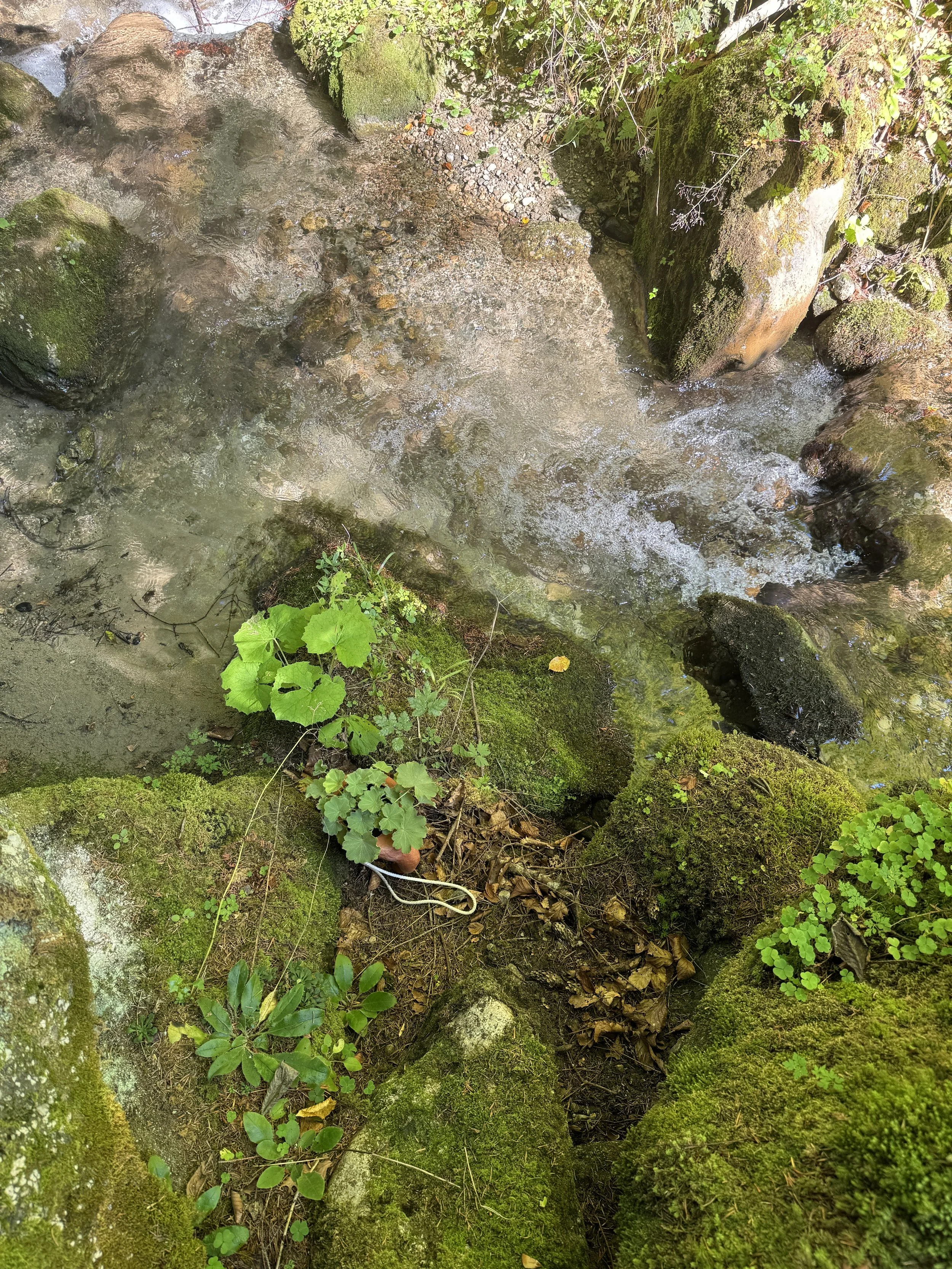
AL 45.5685166667 N 25.5631383333 E
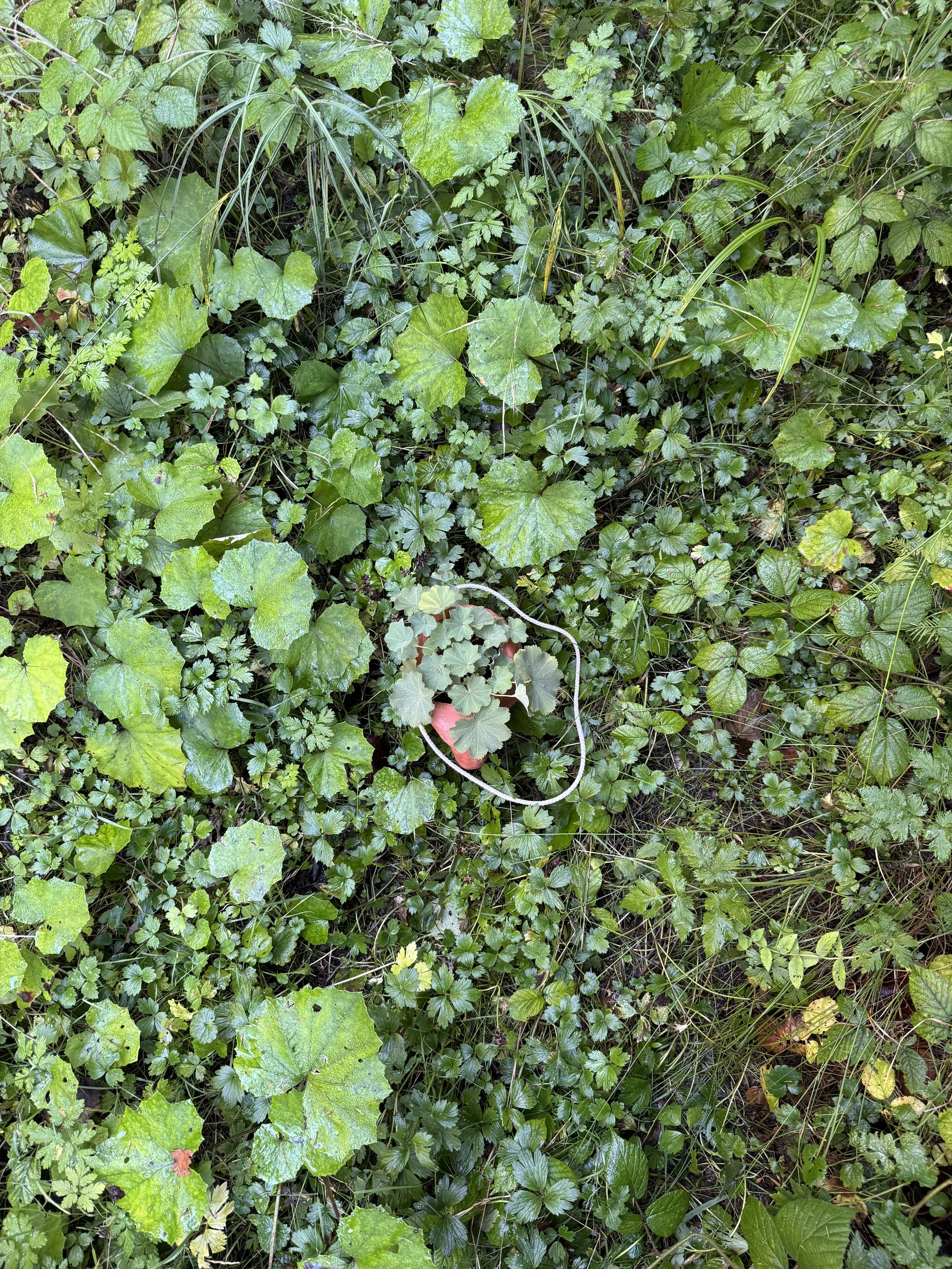
AL 45.465835222222225 N 25.45826386111111 E
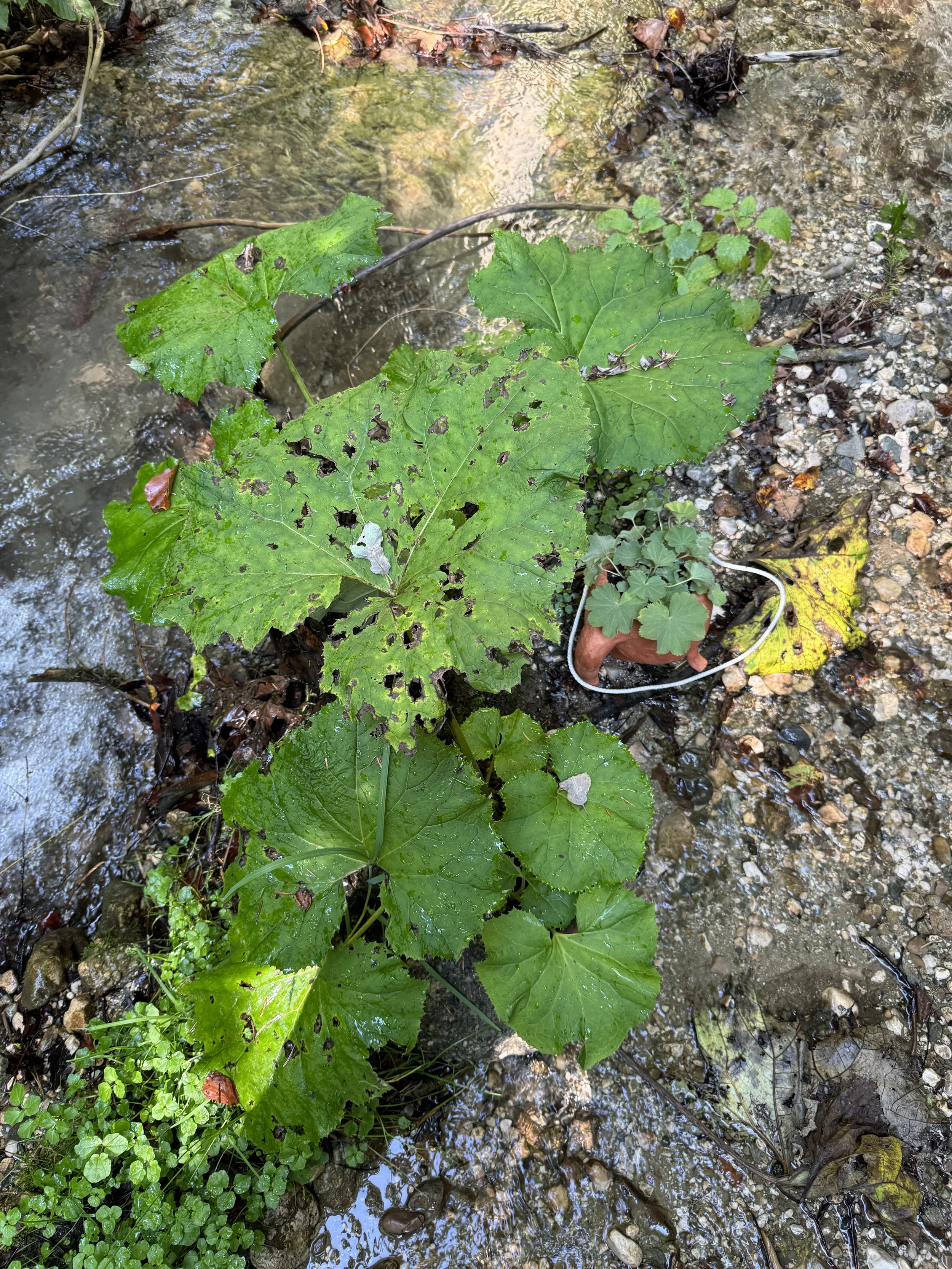
AL 45.6096169912 N 25.7162921503 E
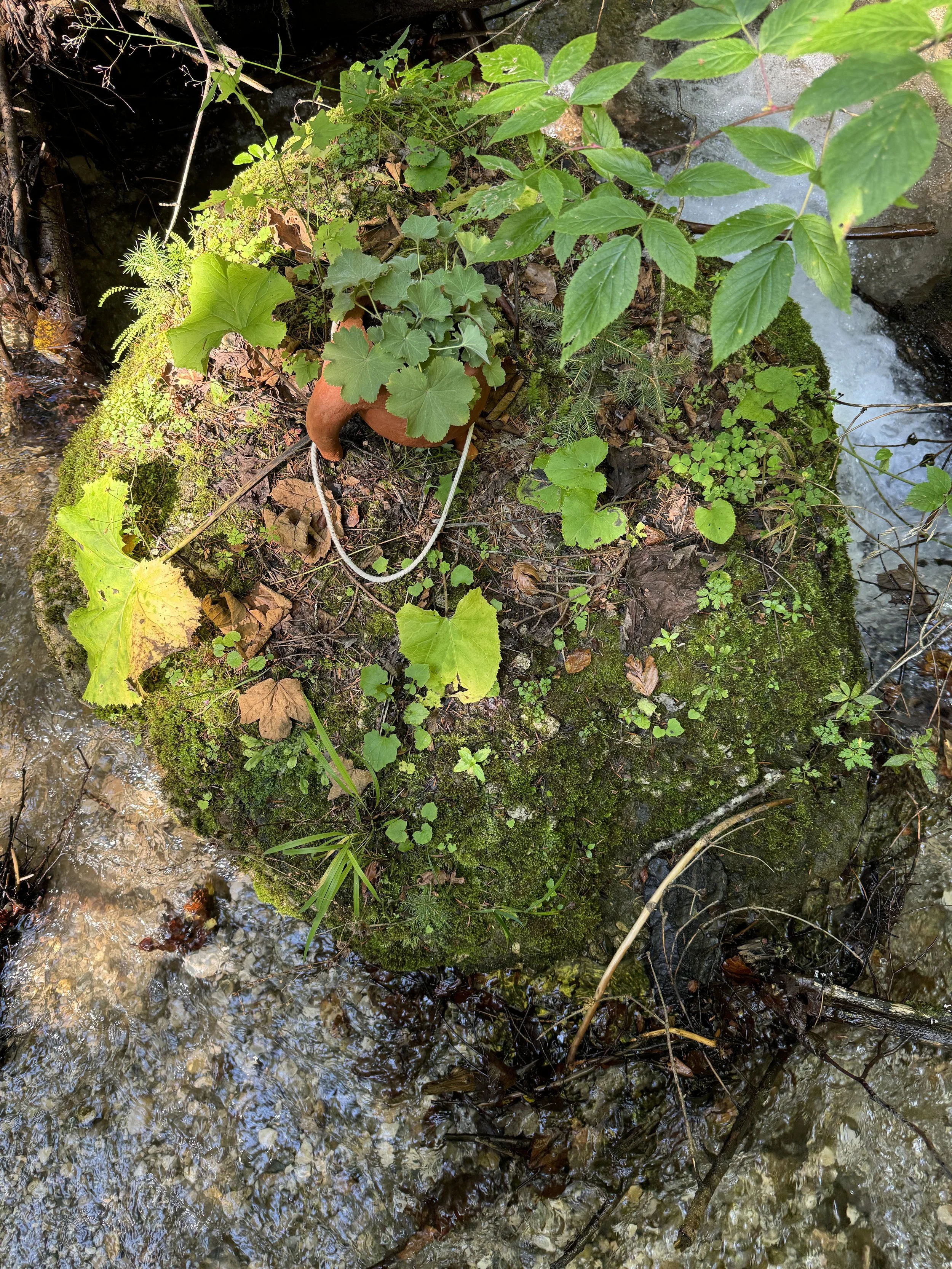
AL 46.1633333333 N 24.3330554151 E
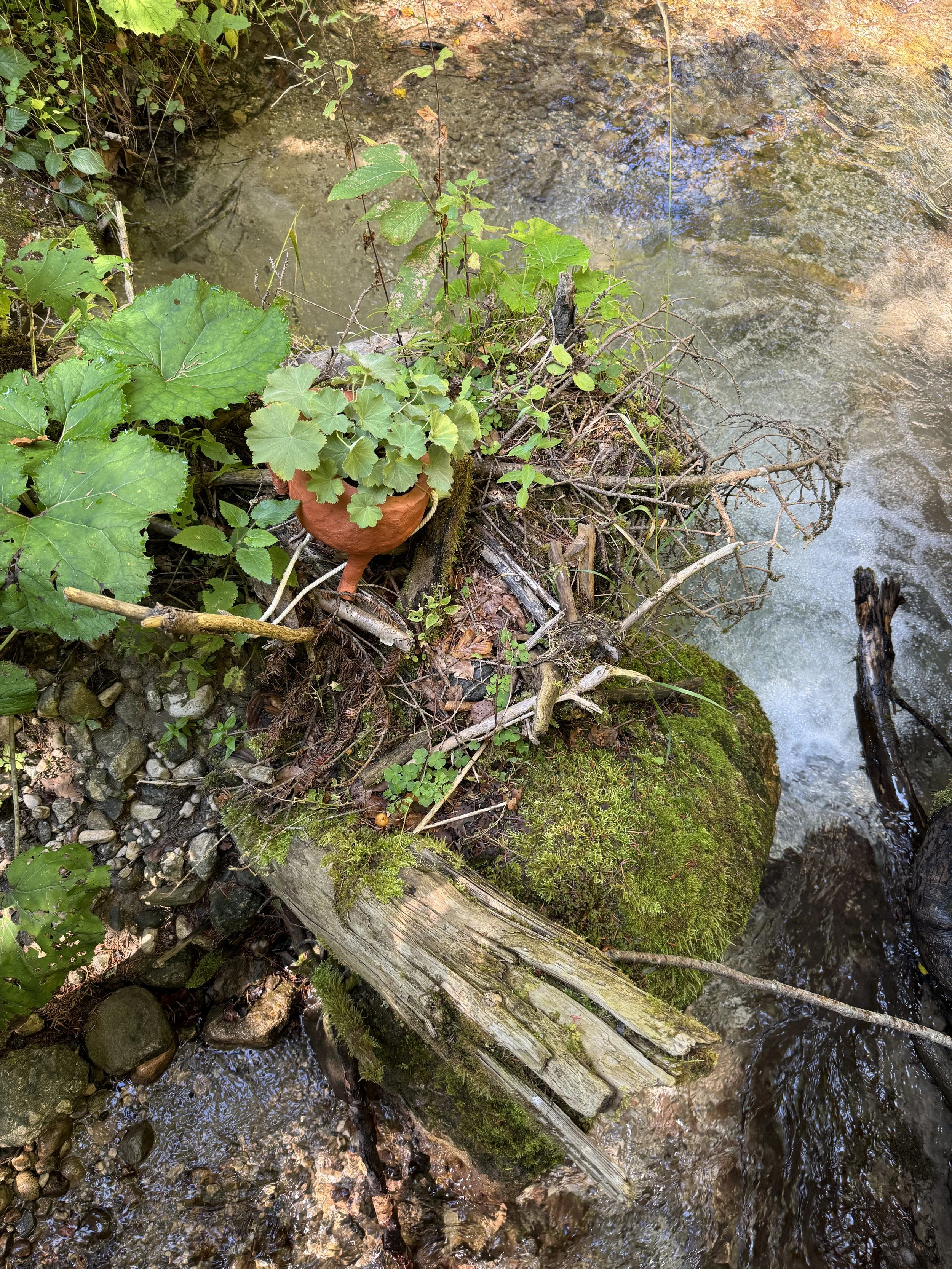
AL 46.973887413671264 N 25.563312484292084 E
Setting up the installation where AL and I make dew together in a large climatic test chamber. A cold, clear night in May is simulated through temperature and humidity. A ceiling covered with dry ice acts as the open sky, creating the necessary radiative cooling.
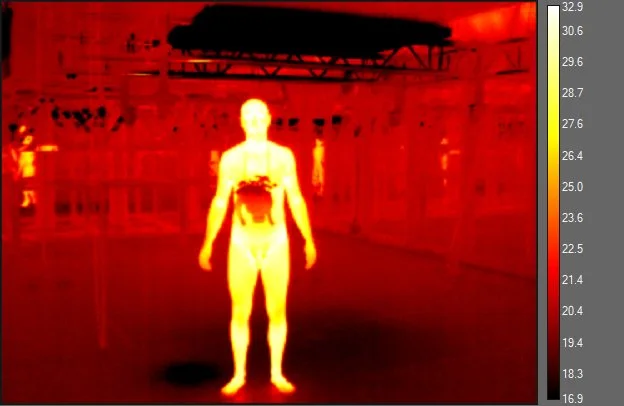
Infrared image of the installation.
Making dew with AL in a scientific apparatus.
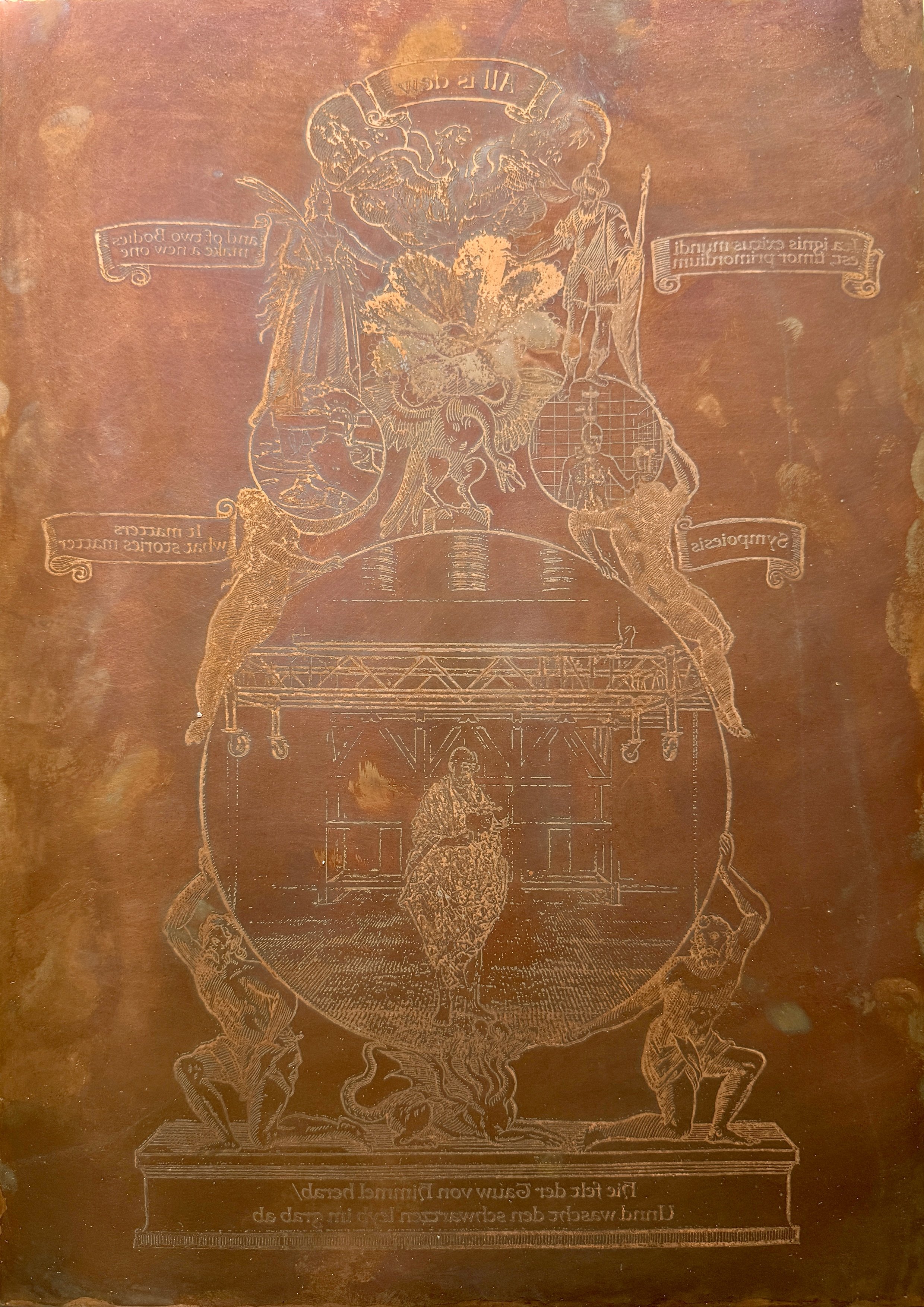
Etching plate in copper
29,7cm x 42 cm